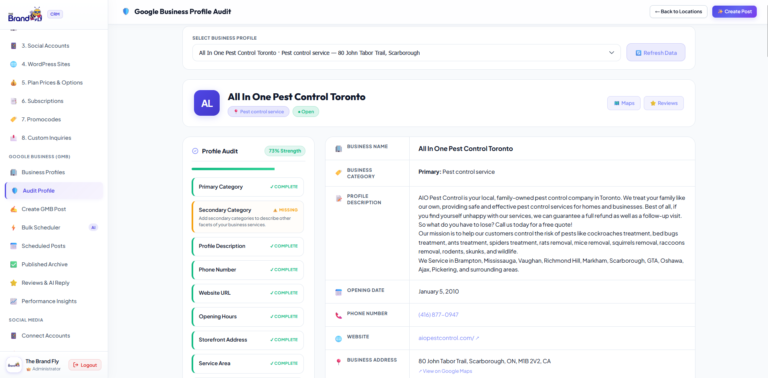

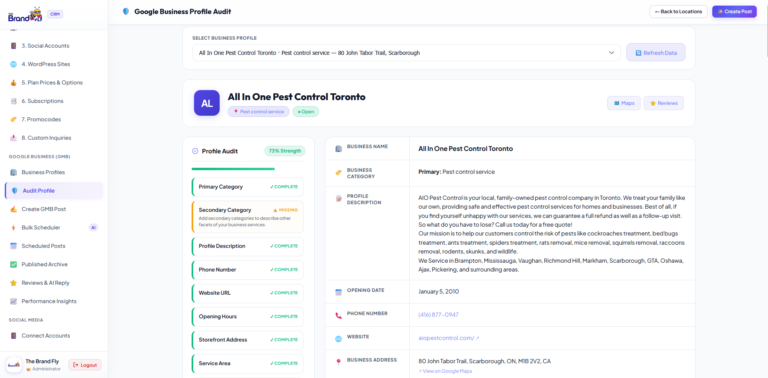
Google Business Profile Audit: 15 Things to Check to Improve Your Local SEO
In today’s competitive marketplace, small business owners and marketing managers must navigate a myriad of digital tools to enhance visibility…

End of Season Sale:Save up to 25% on Cart
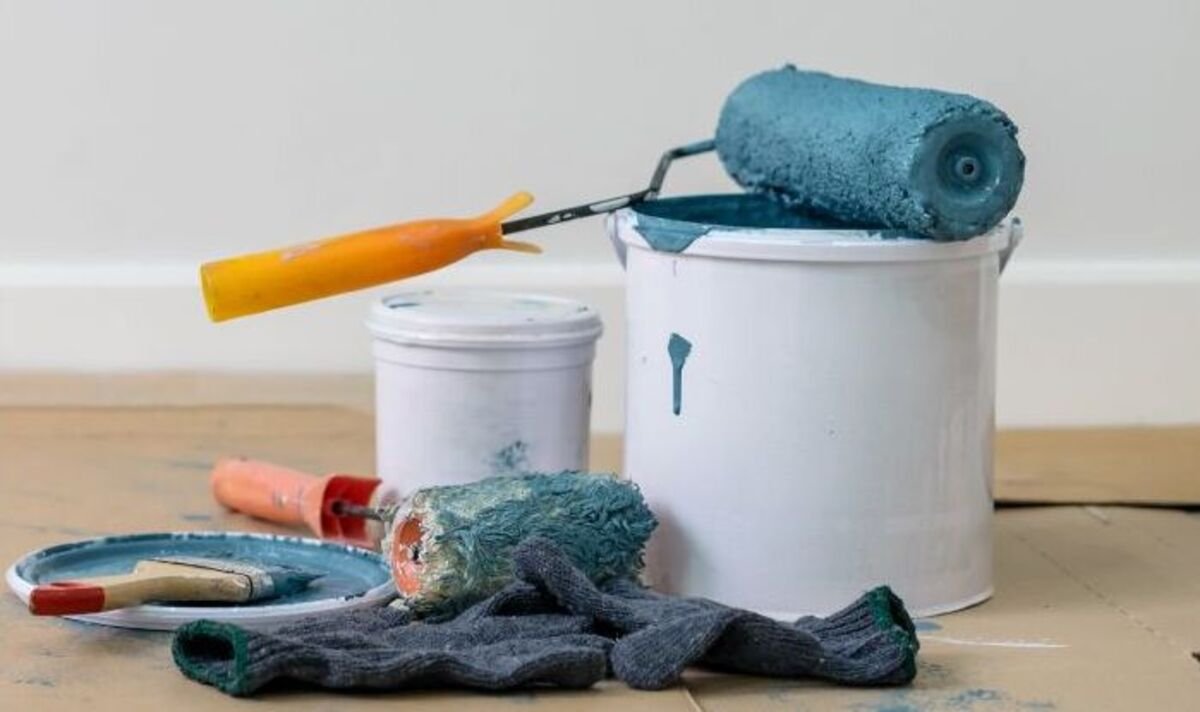
Arizona’s extreme desert climate presents unique and severe challenges for exterior paint that property owners in more temperate regions never face. With average summer temperatures exceeding 110°F in Phoenix and Mesa, intense UV radiation 365 days a year, and dramatic seasonal weather shifts, the exterior paint on homes and commercial buildings deteriorates faster here than virtually anywhere else in the United States.
According to the National Oceanic and Atmospheric Administration (NOAA), Phoenix has experienced a 3.8°F increase in average temperatures since 1970, with projections indicating continued warming trends through 2050[1]. This climate intensification compounds existing challenges, making protective strategies more critical than ever for Arizona property owners.
As Mesa and Phoenix’s trusted exterior painting specialists since 2010, we’ve witnessed firsthand how climate-related paint damage affects thousands of properties annually. This comprehensive guide examines the science behind climate-induced paint failure and provides proven protection strategies to extend your paint’s lifespan and maintain your property’s value.
The Arizona desert experiences some of the most dramatic temperature swings in North America. Surface temperatures on exterior walls regularly reach 160-180°F during summer afternoons, then plummet to 60-70°F overnight—a 100°F+ fluctuation within hours[2].
The American Society for Testing and Materials (ASTM) identifies thermal cycling as one of the primary causes of coating failure. Each heating-cooling cycle causes paint films to expand and contract, creating microscopic stress fractures that accumulate over time[3]. In Arizona, these cycles occur daily for 6-8 months annually, accelerating paint degradation exponentially compared to moderate climates.
Commercial buildings face even greater challenges. Large flat surfaces without architectural shading can reach surface temperatures exceeding 190°F. Dark-colored commercial facades on south and west exposures experience the most severe thermal stress, with paint life reduced by 40-60% compared to lighter-colored, shaded surfaces[4].
Phoenix receives approximately 3,872 hours of sunshine annually—among the highest in the United States[5]. This translates to 300+ days of intense ultraviolet radiation exposure that breaks down paint polymers at the molecular level.
According to research published in the Journal of Coatings Technology, UV radiation causes photodegradation of organic paint components through a process called chalking. The polymer chains that bind pigment particles together break apart, releasing fine powder at the surface and causing progressive color fading[6]. In Arizona’s intense sun, visible chalking can appear within 2-3 years on inferior quality paints—versus 5-7 years in moderate climates.
The UV Index in Phoenix regularly reaches 11+ (extreme) from April through September[7]. At these levels, paint degradation occurs 3-4 times faster than in northern states. Homes and businesses without adequate UV-resistant coatings can experience complete paint failure requiring full repainting within 4-6 years instead of the typical 10-15 year lifecycle.
Arizona’s average relative humidity hovers around 25%, with summer readings frequently dropping below 10% during afternoon hours[8]. While low humidity seems beneficial for preventing moisture-related paint problems, it creates unique challenges during application and curing.
Paint manufacturers formulate coatings to cure within specific humidity ranges, typically 40-70% relative humidity. In Arizona’s arid conditions, water-based paints dry too rapidly, preventing proper film formation and cross-linking of polymers. This results in:
A study by the Paint Research Association found that paints applied in environments below 30% relative humidity exhibited significantly reduced performance characteristics and shortened service life[9].
From July through September, Arizona experiences monsoon season—bringing dramatic shifts from extreme aridity to sudden intense rainfall, high winds, and dust storms. According to the National Weather Service, Phoenix averages 2.7 inches of rainfall during July and August, with individual storms capable of delivering 1+ inch in less than an hour[10].
These rapid moisture fluctuations create several damaging conditions:
Moisture intrusion: Paint films that have developed micro-cracks from UV exposure and thermal stress allow water penetration. Once behind the paint layer, moisture becomes trapped between the coating and substrate, causing bubbling, peeling, and delamination.
Efflorescence: Water infiltration carries dissolved salts from stucco and masonry to the surface, where they crystallize as white deposits. This process physically disrupts paint adhesion and creates unsightly staining that’s difficult to remediate[11].
Mold and mildew growth: Shaded north-facing walls and areas with poor drainage can retain moisture from monsoon storms. Combined with organic debris accumulation, these conditions foster mold and mildew growth that discolors paint and degrades the coating film.
The Science: Paint coatings have a coefficient of thermal expansion—they physically expand when heated and contract when cooled. When daily temperature fluctuations exceed 80-100°F, the constant expansion-contraction cycles exceed the paint’s elastic limit, causing permanent deformation[12].
What You’ll See:
Most Vulnerable Areas:
The Science: Ultraviolet radiation has sufficient energy to break chemical bonds in paint polymers. As polymer chains decompose, they release pigment particles that weren’t properly bound, creating a powdery surface residue called chalk[13].
What You’ll See:
Timeline in Arizona:
The Science: When moisture penetrates through compromised paint films, it disrupts the adhesive interface between coating and substrate. In stucco—Arizona’s most common exterior material—the alkaline nature of cement further degrades paint adhesion through a process called saponification[14].
What You’ll See:
High-Risk Locations:
The Science: Stucco and masonry substrates in Arizona homes expand and contract with temperature changes. Additionally, settling and minor foundation movement creates stress points. If paint is too rigid or poorly adhered, substrate movement causes coating fracture[15].
What You’ll See:
Recent climate data indicates Arizona’s paint damage challenges are accelerating:
Increasing Temperatures: NOAA reports that Phoenix has experienced 33 days above 115°F in the past decade—double the frequency of the previous decade[16]. Higher peak temperatures increase thermal stress and accelerate UV degradation.
Extended Heat Seasons: The number of days above 100°F annually has increased from an average of 89 days (1970-1990) to 110 days (2000-2020)[17]. Longer exposure periods mean more cumulative damage within each year.
Intensified Monsoons: Climate models predict more intense but less frequent monsoon rainfall events, creating greater moisture shock to already heat-stressed paint systems[18].
Increased Dust and Particulates: Persistent drought conditions have elevated airborne dust concentrations, which adheres to and degrades paint surfaces while accelerating weathering[19].
Not all paints are created equal in extreme climates. Protection starts with proper product selection:
For Arizona Conditions, Specify:
100% Acrylic Latex Paint with Enhanced UV Inhibitors
Elastomeric Coatings for Vulnerable Surfaces
High-Performance Primers
Documented Performance: A 10-year study by Arizona State University’s Polytechnic School found that premium acrylic paints outperformed economy alternatives by 250% in Arizona climate conditions, showing minimal degradation while budget products required complete repainting[20].
According to the Painting and Decorating Contractors of America, proper surface preparation accounts for 70-80% of a successful paint job[21]. In Arizona, this percentage is even higher due to climate-induced substrate damage.
Essential Preparation Steps:
Comprehensive Damage Assessment
Thorough Surface Cleaning
Complete Crack and Damage Repair
Strategic Timing: Never paint during extreme weather. Optimal conditions in Arizona are October through April, with temperatures between 50-85°F and minimal wind. Avoid monsoon season entirely.
Color choice significantly impacts paint performance and building energy efficiency in Arizona’s climate.
Light Reflectance Value (LRV) Matters:
Colors with LRV above 50 reflect more than half of solar radiation, keeping surface temperatures 15-20°F cooler than dark colors. Cooler surfaces mean:
Optimal Color Strategies:
For Main Body Colors:
For Trim and Accents:
Commercial Buildings: Consider light-colored or white roofing and upper walls to reduce overall heat load and paint stress on vertical surfaces.
Insufficient paint thickness is a common failure point in Arizona. Thin coatings provide inadequate protection against UV and moisture.
Minimum Standards:
Why Thickness Matters: Research by the Federation of Societies for Coatings Technology found that paint films below 3 mils total thickness experienced 60% higher failure rates in desert climates[23]. Proper thickness ensures adequate UV absorbers, pigment density, and protective polymer content.
Professional Application Advantage: Commercial spray equipment delivers consistent film thickness. DIY roller application often produces uneven coverage with thin spots that fail prematurely.
Passive architectural features significantly extend paint life by reducing climate exposure:
Implement These Protective Elements:
Extended Roof Overhangs
Sun Shades and Awnings
Appropriate Landscaping
Drainage Management
Proactive maintenance dramatically extends paint life and prevents small problems from becoming expensive failures.
Annual Inspection Schedule:
Spring (March-April):
Fall (October-November):
Maintenance Actions:
Gentle Cleaning
Prompt Spot Repairs
Vegetation Management
Irrigation Adjustment
Certain situations require professional expertise to properly protect your property:
Extensive Climate Damage If you’re seeing widespread chalking, cracking, or peeling, DIY touch-ups won’t solve the underlying problems. Professional assessment identifies structural issues, moisture problems, and substrate damage requiring specialized remediation.
Previous Paint Failures Repeated paint failure indicates deeper issues—improper products, inadequate preparation, or building envelope problems. Professionals have diagnostic tools (moisture meters, infrared cameras, adhesion testers) to identify root causes.
High-Value Commercial Properties Commercial buildings require specialized coatings, extensive surface preparation equipment, and proper safety equipment for multi-story work. Professional contractors carry appropriate insurance and follow OSHA regulations.
Preventive Repainting Don’t wait for failure. In Arizona, repainting every 10-12 years (for quality paint on well-prepared surfaces) is preventive maintenance that costs 40-60% less than emergency remediation after severe deterioration.
Mesa Commercial Property – Desert Ridge Office Complex
Challenge: 24,000 sq ft two-story stucco office building experiencing severe paint failure after only 6 years. South and west walls showed extensive chalking, cracking, and peeling. Previous economy-grade paint and inadequate preparation resulted in premature failure.
Solution Implemented:
Results After 8 Years:
Cost Analysis:
Arizona’s harsh climate doesn’t have to mean constant paint failure and costly maintenance. With proper products, professional preparation, strategic color selection, and regular maintenance, your exterior paint can provide 10-15 years of protection and beauty despite extreme conditions.
Since 2010, we’ve protected thousands of homes and businesses across Mesa, Phoenix, Tempe, and the East Valley from Arizona’s punishing climate. Our climate-specific approach includes:
Comprehensive Protection Services:
Why Mesa and Phoenix Trust Us:
Our Climate Protection Guarantee:
We stand behind our work with a comprehensive warranty covering:
Schedule Your Free Climate Protection Assessment
Don’t wait for paint failure to become a costly emergency. Our climate specialists provide complimentary property assessments including:
✓ Comprehensive damage documentation ✓ Moisture testing in suspected problem areas
✓ Detailed protection recommendations ✓ Accurate project timeline and investment estimate ✓ Long-term maintenance plan
Service Areas: Mesa, Phoenix, Tempe, Chandler, Gilbert, Scottsdale, Apache Junction, and all East Valley communities
Special Assessment Offer: Mention this article and receive a complimentary thermal imaging scan of your building ($250 value) to identify hidden problem areas before they cause visible damage.
Act now to protect your investment. Arizona’s climate is only getting harsher. Professional climate protection today prevents expensive remediation tomorrow.
Find the Top Painters in Arizona by Comparing their service rating on The Brand Fly Business.

Written by the strategy team at The Brand Fly — a Google Partner and Meta Business Partner helping local businesses in the US, Canada, Dubai, Australia and India get found on Google, Maps and AI search for more than ten years.
In today’s competitive marketplace, small business owners and marketing managers must navigate a myriad of digital tools to enhance visibility…
Finding missing opportunities in your Google Business Profile (GBP) is essential for small business owners and marketing managers looking to…
In today’s digital age, the success of plumbing businesses hinges on their online visibility. As a plumbing service provider in…
Send us your website and market. Within two working days a strategist will show you where your enquiries are going instead — and what to fix first.
Pick whichever is easiest for you.
Get my free audit → 💬 WhatsApp +91 99888 88525 Browse our servicesOffice hours: 9:00 AM – 10:00 PM IST